
Trump’s Tariff War: Will the Canadian Dollar Crash to 1.50?

By Daily Updates

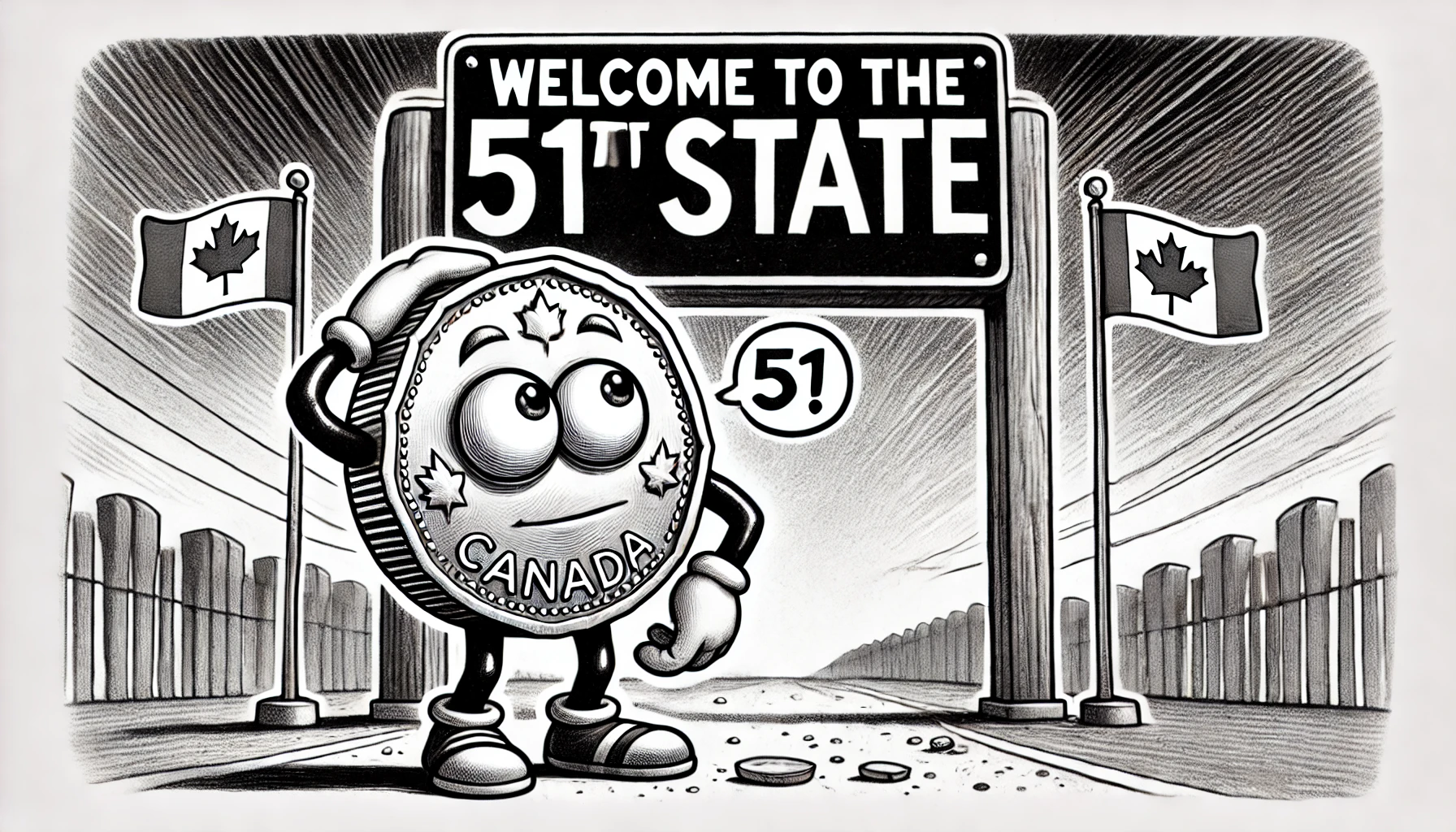
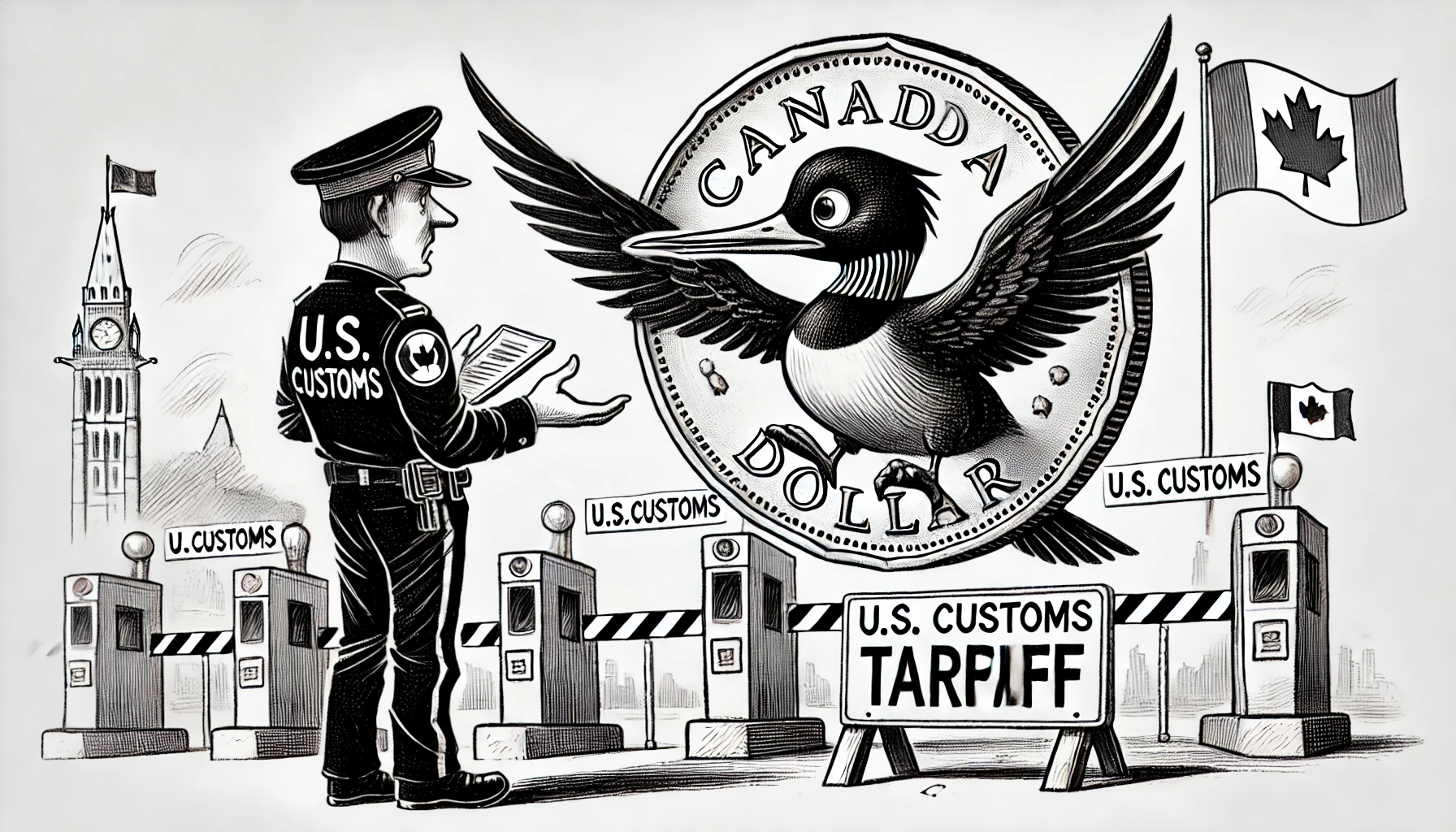
Over the weekend, President Trump followed through on his tariff threats, imposing new trade restrictions on the U.S.’s two largest trading partners—Canada and Mexico.

The reaction was immediate. The Canadian dollar (CAD) plunged to 1.4792 per U.S. dollar, its lowest level since 2003. However, the Loonie managed to claw back some of those losses, rebounding to the 1.4650 range by Monday morning.

Read More

Canadian Dollar Holding Its Ground Amid AI Stock Chaos

By Daily Updates

The Canadian dollar seems to be holding steady despite Monday morning’s AI stock crash. The selloff hit AI heavyweights like NVIDIA, which plunged over 10%, along with other tech stocks tanking across the board. This all started after news broke that a Chinese artificial intelligence startup, DeepSeek, developed AI systems comparable to top players like ChatGPT—but at a fraction of the cost.

Read More

How Trump’s Tariffs (or No Tariffs) Could Impact the Canadian Dollar and Canadian Economy

By Daily Updates

When it comes to international trade, tariffs can have a massive influence on a country’s economy—and the currency that represents it. For Canada, a nation deeply integrated with the global economy and heavily reliant on exports, the presence or absence of tariffs has a direct impact on the Canadian dollar (CAD), the USD dollar (USD), and the overall Canadian dollar exchange rate. Let’s explore how tariffs—or the lack thereof—could shape the future of the Canadian economy and its currency.

Read More

Canadian Dollar: A 2024 Year in Review and December’s Crash Explained

By Daily Updates

Strong Beginning, Lingering Concerns
As 2024 kicked off, the Canadian dollar seemed to be on relatively solid footing, hovering around 74 cents U.S. (1.35 CAD). A moderate rebound in oil prices—the lifeblood of Canada’s export sector—provided some tailwinds early in the year. Meanwhile, the Bank of Canada, after several interest rate hikes in 2023, appeared to be aiming for a “soft landing,” keeping inflation near its 2% target.
By mid-year, the loonie even flirted with the 76–77 cent range (1.32–1.31 CAD), fueled by steady employment numbers and decent consumer spending. Traders felt cautiously optimistic: the housing market had cooled but not collapsed, and companies in sectors like tech and mining were posting healthier-than-expected earnings.

Read More

Trump Tariffs Sinks the Loonie

By Daily Updates

At the start of the week, the Canadian dollar seemed to be finding its footing after hitting multi-year lows against the U.S. dollar. Positive domestic indicators, like a fourth consecutive month of rising retail sales in October and inflation ticking up to 2%, suggested that the Bank of Canada’s earlier rate cuts were finally boosting consumer spending. These signs pointed to a strengthening economy and renewed confidence in the loonie.

Read More